







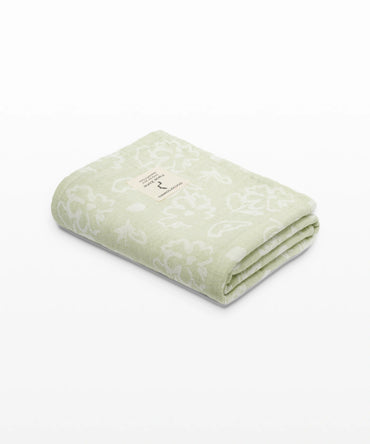
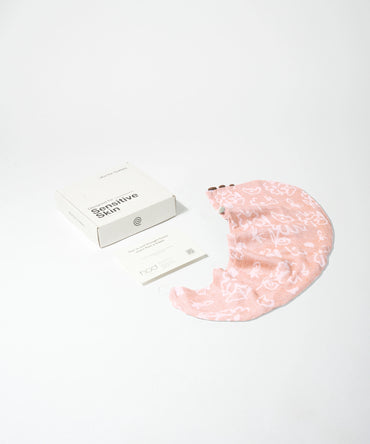


How To Keep Towels Fresh Without Washing Daily
A towel can start feeling off before it looks dirty. For acne-prone and sensitive skin, moisture, friction, and reuse habits can turn face drying into a more irritating step than most people realize.
You wash your face, do the careful part of your routine, and then dry off with whatever towel is hanging nearby. That step feels harmless until your skin starts feeling irritated after drying your face, or your towel feels rough on active breakouts, or it just starts feeling gross before laundry day. The aha moment is simple: sometimes the problem is not your cleanser or serum. Sometimes it is the way your towel stays damp, gets reused, and touches already stressed skin.
For people trying to figure out how to keep towels fresh without washing daily, the goal is not perfection. It is making the towel step more intentional, especially if you have acne-prone skin or sensitive skin. Towel hygiene is not just about smell. It is also about moisture, friction, comfort, and whether your face-drying routine is helping your skin feel calm or making it feel more irritated.
The Problem They Didn’t Know They Had
A lot of people do not think about towels as part of skincare. They think about cleansers, exfoliants, moisturizers, and sunscreen. The towel usually gets treated like background equipment.
But that is often where the disconnect starts.
A face towel can feel clean enough while still being damp too long, reused too often, or rougher than your skin wants that day. That matters more when your skin barrier already feels reactive, when you are dealing with active breakouts, or when your routine is otherwise gentle and you still cannot figure out why your skin feels annoyed after washing.
This is why searches like how to keep towels fresh without washing daily, how to keep towels clean, and face towel hygiene mistakes keep showing up. People are trying to solve a real routine problem:
- the towel smells stale before it looks dirty
- the bathroom keeps towels damp longer than expected
- the fabric starts feeling rough on irritated skin
- the same towel gets reused for face, hands, or body without much thought
- breakouts or sensitivity make people question every step, including drying
For acne-prone skin, this question gets even more specific. The American Academy of Dermatology says dermatologists recommend gentle, non-abrasive cleansing and caution that scrubbing with washcloths, sponges, and other tools can irritate acne-prone skin. That reminder matters because the skin can be handled too aggressively even after cleansing is done. Drying is still contact. Contact still counts.
If you have ever thought, my routine was fine except my towel felt rough on active breakouts, that is not a trivial complaint. It is a clue.
The Science Behind The Problem
Freshness is not only about whether a towel smells okay. In a skincare context, it is about whether the towel is staying dry enough, feeling gentle enough, and being used in a way that supports a lower-friction routine.
Two source-backed ideas matter most here.
- The American Academy of Dermatology includes acne-friendly skin care habits as a core part of acne management. That means routine choices around cleansing and handling skin matter, not just treatment products.
- Research on acne mechanica shows that friction, pressure, rubbing, and occlusion can aggravate acneiform eruptions.
That does not mean every reused towel causes breakouts. It does mean the towel step can become one more source of stress when skin is already vulnerable.
When people ask about towel smell bacteria or bathroom bacteria towel concerns, they are usually noticing the practical side of the same issue: towels hold moisture, bathrooms can slow drying, and repeated skin contact adds up. Even before a towel looks visibly dirty, it can start feeling less fresh because of the environment and the way it is being used.
For sensitive skin, the threshold can be even lower. A towel does not need to be obviously dirty to feel irritating. Dampness changes how a towel feels. Reuse changes how comfortable it feels. Rubbing changes how skin responds.
The Mechanisms — How It’s Actively Hurting You
Why Dampness Matters
A towel that does not dry well tends to stop feeling fresh long before people decide it needs washing. Most people notice this first as a stale smell or that slightly heavy, not-quite-dry feel.
From a skincare point of view, dampness matters because:
- it changes the feel of the fabric against skin
- it can make the towel feel less clean and less comfortable to reuse
- it increases the chance that your face-drying step feels unpleasant enough that you start rubbing instead of gently patting
Even if someone is trying to keep towels fresh without daily washing, the towel still needs enough time and airflow to dry between uses. If it stays damp in a humid bathroom, freshness drops fast.
Why Friction Matters
This is the clearest skin mechanism in the available sources.
The American Academy of Dermatology states that scrubbing with washcloths, sponges, and other tools can irritate acne-prone skin. That guidance reflects a simple principle: acne-prone skin usually does better with gentle handling, not abrasion.
Research indexed on PubMed under Acne mechanica describes how friction, pressure, rubbing, and occlusion can aggravate acneiform eruptions. Another PubMed source on friction-related acne mechanica notes that mechanical friction can contribute to acne mechanica in friction-prone areas.
The takeaway is practical, not dramatic:
- rougher drying can increase irritation
- repeated rubbing is different from gentle patting
- active breakouts are often less tolerant of friction
- sensitive skin may react to towel texture even when the rest of the routine is mild
If your skin feels irritated after drying your face, friction is one of the first things worth looking at.
Why Reuse Habits Matter
Most people are not asking how to wash towels properly because they want a perfect laundry schedule. They are asking because real life gets messy. Towels get reused. One towel gets used longer than planned. A face towel becomes a hand towel for a day. A damp towel gets folded or left in the bathroom.
Reuse habits matter because they change three things at once:
- how dry the towel gets between uses
- how fresh it feels when it touches your skin again
- how likely you are to rush through drying in a less gentle way
That is where a lot of face towel hygiene mistakes happen. Not because people are careless, but because the towel step feels minor. For acne-prone or sensitive skin, it often is not minor.
Why Skin Barrier Stress Adds Up
The American Academy of Dermatology also emphasizes acne-friendly skin care and dermatologist-recommended habits as part of acne management. That matters because skin irritation is rarely about one single dramatic mistake. More often, it is the accumulation of small routine stressors.
A towel can become one of those stressors when:
- skin is already dry from acne treatments
- breakouts are inflamed or tender
- cleansing is gentle but drying is not
- the towel feels rough, stale, or overused
In other words, dirty towel acne is usually not a useful phrase because it oversimplifies the issue. The better question is whether your towel habits are adding unnecessary friction and irritation to skin that is already working hard.
Customer Language — What Real People Were Dealing With
People usually do not describe this problem in technical terms. They describe the feeling.
Here are some of the exact kinds of complaints that keep showing up in customer and forum language:
- “my face towel was giving me jawline acne”
- “my skin feels irritated after drying my face”
- “I never thought my towel could be part of the problem”
- “using the same face towel every day made my skin feel gross”
- “my routine was fine except my towel felt rough on active breakouts”
- “I wanted a towel that felt like it belonged in my skincare routine”
What these lines have in common is not that a towel is being blamed for everything. It is that people notice a mismatch.
They are doing the skincare steps they are told to do. They are trying to be gentle. Then the final step feels stale, rough, or weirdly irritating.
That is why this topic matters. It gives language to a problem people often sense before they can explain it.
Actionable Habits — What To Actually Do
1. Let The Towel Dry Fully Between Uses
If you want to keep towels fresh without daily washing, drying conditions matter first.
- hang the towel spread out instead of bunched up
- avoid leaving it crumpled on a counter or bed
- if possible, give it airflow outside the dampest part of the bathroom
- rotate towels so one is not being used while still slightly damp
A towel that dries fully tends to stay more comfortable and feel fresher longer.
2. Use A Separate Towel For Your Face
Your face is not your body, and your face towel should not feel like an all-purpose bathroom towel.
- keep a dedicated face towel if your skin is acne-prone or sensitive
- avoid using the same towel across face, hands, and body
- make the towel step feel like part of skincare, not an afterthought
This is one of the simplest ways to improve towel hygiene without creating a complicated routine.
3. Pat, Do Not Rub
This is where the dermatology guidance becomes practical.
Because the American Academy of Dermatology cautions against scrubbing with washcloths and similar tools for acne-prone skin, your drying technique matters too.
- press or pat the towel against skin instead of dragging it
- slow down around active breakouts or irritated areas
- if skin feels tender, use even less pressure than you think you need
For many people, the issue is not only the towel itself. It is the combination of towel texture plus rubbing.
4. Change The Towel More Often When Skin Is Acting Up
You may not need to wash towels daily to make them more skin-friendly. But you may need to swap them out more often during reactive periods.
- rotate in a fresh face towel more often when breakouts are inflamed
- change sooner if the towel feels damp, stale, or rough
- do not wait for a towel to look obviously dirty if it already feels unpleasant on skin
This is especially helpful if you are trying to figure out when to replace towels in your routine rotation versus just when to wash towels properly.
5. Pay Attention To Feel, Not Just Smell
People often use smell as the only test for towel freshness. Skin usually notices other things first.
- does the towel still feel soft enough for your face-drying routine
- does it feel heavier from lingering moisture
- does your skin sting, flush, or feel irritated after contact
- are you dreading the towel step because it feels rough on breakouts
Those cues matter. They tell you more about skin compatibility than appearance alone.
6. Treat The Towel Step As Part Of Your Routine
This is the mindset shift that helps most.
- think of your towel the way you think of a cleanser or moisturizer
- choose habits that reduce friction and irritation
- build a repeatable face-drying routine instead of improvising with whatever towel is nearby
If you want a deeper routine framework, our practical guide on towel hygiene connects these habits to everyday bathroom use in a simple way.
Why Doctor Towels Was Built For This
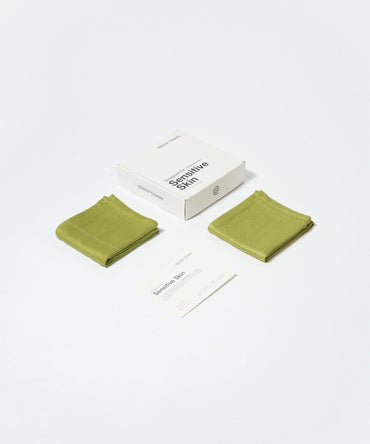
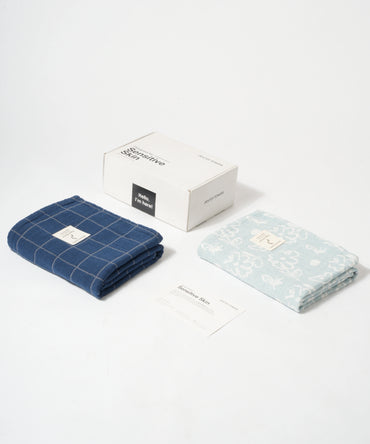
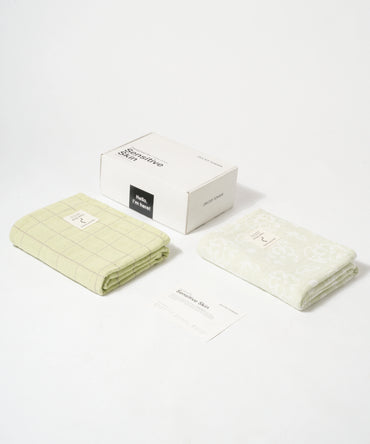
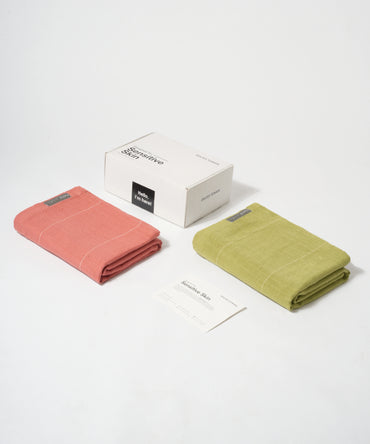
Doctor Towels is positioned as a skincare-first towel brand, which means the towel is treated as part of a gentle skincare routine rather than a generic bathroom product. That framing matters for this topic because people searching how to keep towels fresh without washing daily are often not just asking a laundry question. They are asking how to make the towel step feel cleaner, gentler, and more compatible with sensitive or acne-prone skin.
Within the approved brand knowledge, Doctor Towels belongs in the same conversation as cleansers, serums, and skin-barrier-friendly habits. The point is not to promise a cure. It is to make face drying more intentional.
That makes sense for people who:
- want a face towel that feels like it belongs in their skincare routine
- are trying to lower friction in daily skin contact
- want a more acne-aware, skin-aware routine overall
- have realized the towel step can affect comfort and irritation
If you are comparing options, the useful question is not which towel sounds the most impressive. It is whether the towel supports a gentler face-drying routine.
Doctor Towels also maintains a public research page and a testing report for readers who want to review brand-provided technical material directly. Because the approved facts for this article do not include product-performance claims from those documents, they are best treated here as additional reading rather than as claims repeated in this article.
If you want more context on how towel choices fit into an acne-aware routine, our guide to acne-safe towels explores that question in more detail.
The Bottom Line
If you are trying to figure out how to keep towels fresh without washing daily, the answer is not just wash more or worry more. It is to understand what freshness actually means for skin.
A towel can stop feeling skin-friendly because of:
- lingering dampness
- repeated reuse without enough drying time
- friction from rubbing
- rough or unpleasant contact on already irritated skin
That is why this step deserves more attention than it usually gets. For acne-prone skin and sensitive skin, the goal is not a perfect routine. It is a gentler one.
When the towel step starts feeling intentional, a lot of people have the same perspective shift: I never thought my towel could be part of the problem. And then they realize it can also be part of a calmer routine.
Persistent or severe acne concerns should be evaluated by a qualified medical professional or dermatologist.
For a full foundation on this pillar, read Towel Hygiene & Bathroom Health.
Medical Sources & Further Reading
- American Academy of Dermatology. How to treat acne. https://www.aad.org/news/how-to-treat-acne
- American Academy of Dermatology. DIY acne treatment. https://www.aad.org/public/diseases/acne/diy
- PubMed. Acne mechanica. https://pubmed.ncbi.nlm.nih.gov/123732/
- PubMed. Inner thigh friction as a cause of acne mechanica. https://pubmed.ncbi.nlm.nih.gov/30883890/
- Doctor Towels. Research Page. https://www.doctortowels.com/pages/research-page
- Doctor Towels. Testing Report. https://cdn.shopify.com/s/files/1/0376/8529/7196/files/Testing_Report.pdf?v=1758528655
Medical Citations
- How to treat acne - American Academy of Dermatology - https://www.aad.org/news/how-to-treat-acne
- DIY acne treatment - American Academy of Dermatology - https://www.aad.org/public/diseases/acne/diy
- Acne mechanica - PubMed - https://pubmed.ncbi.nlm.nih.gov/123732/
- Inner thigh friction as a cause of acne mechanica - PubMed - https://pubmed.ncbi.nlm.nih.gov/30883890/
Prev post
How Towel Friction Can Trigger Acne Mechanica
Updated on 14 April 2026
Next post
Towel Bacteria on Your Face: The Hygiene Step That Can Undercut Your Routine
Updated on 27 March 2026