








The Unseen Irritant: How Your Daily Towel Habits Affect Sensitive Skin
Many of us meticulously build a skincare routine, only to overlook a crucial step: how we dry our face. This article explores how seemingly harmless daily towel habits can silently undermine skin health, leading to irritation and breakouts.
Most of us have a dedicated skincare routine. We carefully choose cleansers, serums, and moisturizers, paying close attention to ingredients and application techniques. Yet, for many, a critical step remains an afterthought: drying our face. Have you ever felt your skin tighten or noticed a subtle redness after patting dry, even after using gentle products? It’s a common experience, but one that often leads to the thought, “I never thought my towel could be part of the problem.” This oversight can quietly undermine even the most diligent skincare efforts, contributing to persistent skin irritation and discomfort.
The Problem They Didn’t Know They Had
It’s easy to assume all towels are created equal when it comes to drying your face. After all, their primary job is to absorb water. But for individuals with sensitive skin or those prone to acne, the texture, cleanliness, and even the way a towel is used can have a significant impact. Many people focus on what they put on their skin, without considering what touches it immediately after cleansing.
Imagine investing in a gentle, pH-balanced cleanser and a calming serum, only to inadvertently introduce friction or microbes with the very item meant to complete the cleansing process. This disconnect often leaves people wondering why their skin still feels irritated after drying their face, or why new breakouts appear despite a consistent routine. As one customer noted, “my face towel was giving me jawline acne,” highlighting a common, yet often undiagnosed, source of skin frustration. The simple act of drying your face, if done without awareness, can become an unseen irritant.
The Science Behind The Problem
Our skin, especially on the face, is a delicate ecosystem protected by the skin barrier. This barrier is our first line of defense against environmental stressors, irritants, and pathogens. When compromised, it can lead to increased sensitivity, dryness, and vulnerability to breakouts. The way we interact with our skin, even during routine activities like face-drying, plays a direct role in maintaining this barrier’s integrity.
Traditional towels, often designed for body drying, can be too abrasive for the delicate facial skin. Their fibers can create microscopic friction, potentially disrupting the skin barrier and exacerbating existing conditions. Furthermore, the warm, damp environment of a used towel provides an ideal breeding ground for microbes, which can then be transferred back to the skin with each use, especially if the towel isn’t changed frequently. This interplay of mechanical stress and microbial exposure forms the core of why an overlooked face towel can quietly undo everything else in a skincare routine.
The Mechanisms — How It’s Actively Hurting You
Understanding the specific ways towels can impact skin health is crucial for developing a truly gentle and effective skincare routine. It’s not just about drying; it’s about the subtle, often cumulative, effects of daily habits.
Friction and Mechanical Irritation
When we rub our face vigorously with a towel, even one that feels soft, we introduce friction. This mechanical rubbing can be particularly problematic for sensitive skin and acne-prone skin. The American Academy of Dermatology (AAD) specifically cautions against scrubbing with washcloths, sponges, and other tools, noting that such abrasive actions can irritate acne-prone skin. This kind of physical irritation can manifest as redness, increased sensitivity, and even micro-tears in the skin barrier, making it more susceptible to external aggressors.
Beyond general irritation, friction is a known contributor to a specific type of acne called acne mechanica. Research published in PubMed confirms that friction, pressure, rubbing, and occlusion can aggravate acneiform eruptions. Another study in PubMed further highlights how mechanical friction can contribute to acne mechanica in friction-prone areas. For many, this means that “my routine was fine except my towel felt rough on active breakouts,” leading to a cycle of irritation and extended healing times. The constant, repetitive friction from a rough or improperly used face towel can disrupt the natural healing process and worsen existing blemishes, making the towel an active participant in skin distress.
Microbial Transfer and Buildup
Towels, by their very nature, absorb moisture. While this is essential for drying, it also creates a damp environment rich in skin cells, oils, and residual makeup – a perfect breeding ground for bacteria and fungi. A towel left in a humid bathroom can rapidly accumulate a significant microbial load. Our research, detailed on the Doctor Towels research page, indicates that an unwashed towel can harbor up to 890 million colony-forming units (CFUs) after just 7 days. Imagine transferring that back to your freshly cleansed face each morning or night.
For those with acne-prone skin, this microbial transfer is particularly concerning. The Indian Association of Dermatologists, Venereologists, and Leprologists (IADVL) 2023 research highlighted a significant finding: 74% of acne patients showed C. acnes (the bacteria commonly associated with acne) on their towels. This means that even if you’re diligent about cleansing, reintroducing these microbes from a dirty towel can re-seed the skin with acne-causing bacteria, potentially triggering new breakouts or worsening existing ones. It’s no wonder some individuals feel that “using the same face towel every day made my skin feel gross,” as they are unknowingly undoing their cleansing efforts with each pat dry. This constant microbial exposure contributes to inflammation and can significantly impede the skin’s ability to heal and maintain clarity.
For a deeper dive into how towel bacteria can undercut your routine, you can explore our article: Towel Bacteria on Your Face: The Hygiene Step That Can Undercut Your Routine.
Customer Language — What Real People Were Dealing With
Across skincare forums and direct feedback, a consistent theme emerges: people are starting to realize their towels might be a missing piece in their skincare puzzle. The frustrations are real and deeply felt, often expressed after trying countless other solutions.
Many customers describe a feeling of unease that goes beyond superficial dryness. “My skin feels irritated after drying my face,” is a common sentiment, pointing to a subtle but persistent discomfort that can linger throughout the day. This isn’t just about harsh products; it’s about the physical interaction with the towel itself. For those with active breakouts, the problem is even more pronounced: “my routine was fine except my towel felt rough on active breakouts.” This roughness can exacerbate inflammation, making existing blemishes more painful and prolonging their healing time.
Another significant realization comes from those who, despite a rigorous skincare regimen, still struggle with persistent issues. “I never thought my towel could be part of the problem,” reflects a common ‘aha’ moment, where the overlooked daily habit finally comes into focus. This often happens after exhausting other options, leading to a deeper investigation into every step of their routine.
The desire for a more integrated approach is also clear. “I wanted a towel that felt like it belonged in my skincare routine,” encapsulates the shift in perspective from viewing a towel as a mere utility to an intentional skincare tool. This highlights a longing for products that align with the gentleness and efficacy expected from other skincare items, ensuring that no step in the routine inadvertently works against the skin’s best interests.
Actionable Habits — What To Actually Do
Integrating skin-aware habits into your face-drying routine doesn’t require a complete overhaul, but rather a thoughtful adjustment to existing practices. These small changes can significantly reduce irritation and support a healthier skin barrier.
1. Pat, Don’t Rub
Instead of rubbing your face dry, gently pat your skin with the towel. This minimizes friction, which is especially important for sensitive skin and acne-prone skin. Patting helps to absorb excess water without causing mechanical stress or disrupting the skin barrier. Think of it as blotting rather than wiping, allowing your skin to retain some natural moisture while still feeling fresh.
2. Designate a Face-Only Towel
Avoid using the same towel for your body and your face. Body towels often come into contact with more bacteria and can be rougher in texture. Designating a specific, softer face towel ensures better face towel hygiene and prevents the transfer of microbes from other parts of your body to your delicate facial skin. This simple separation can make a big difference in maintaining cleanliness.
3. Change Your Face Towel Frequently
Given the rapid accumulation of microbes, changing your face towel daily, or at least every other day, is a crucial step in managing microbial load. This proactive approach prevents bacteria, yeast, and fungi from building up on the towel and being reintroduced to your skin. Regular washing ensures that your face towel remains a clean tool in your skincare arsenal, promoting better cleanliness and reducing the risk of breakouts.
4. Choose Your Fabric Wisely
The texture and material of your face towel matter. Opt for towels made from ultra-soft, smooth fibers that are designed to be gentle on the skin. Rough textures can create micro-abrasions and exacerbate irritation. Look for materials known for their softness and ability to dry efficiently without requiring harsh rubbing. A smoother towel texture means less friction and a kinder touch for your skin barrier.
5. Prioritize Your Skin Barrier
Every step in your routine, including face drying, should support your skin barrier. A gentle routine minimizes stressors and allows the skin to function optimally. By adopting these habits, you’re not just drying your face; you’re actively protecting your skin’s natural defenses, leading to less sensitivity and a more resilient complexion. Remember, the American Academy of Dermatology emphasizes that acne-friendly skin care and dermatologist-recommended habits are a core part of acne management.
Why Doctor Towels Was Built For This
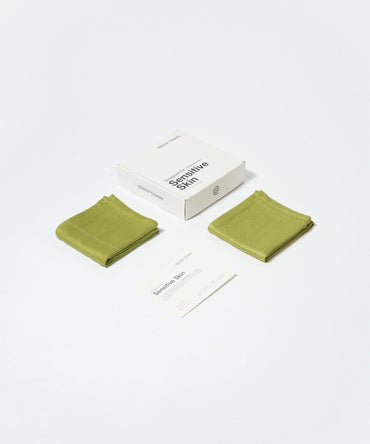
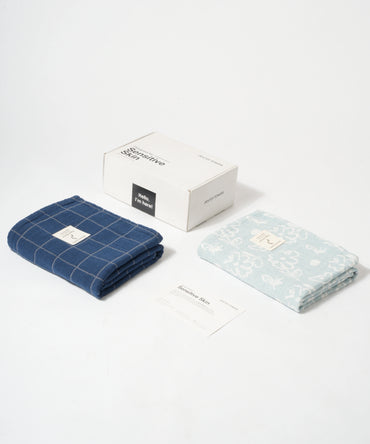
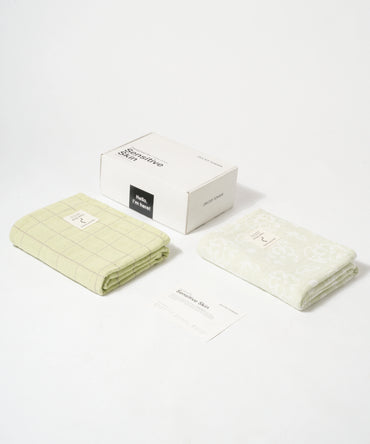
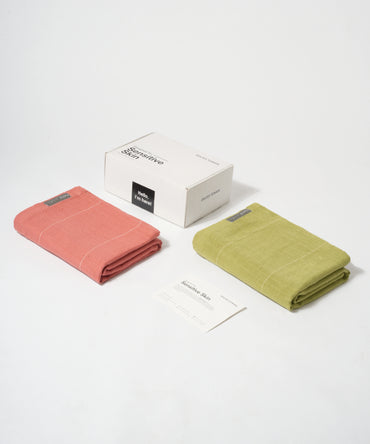
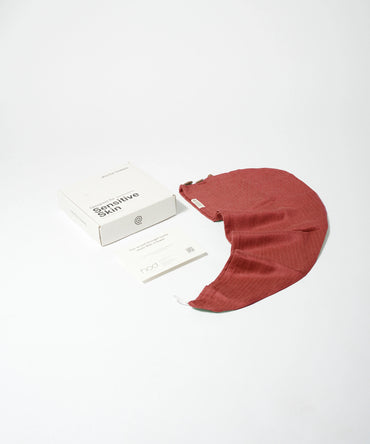
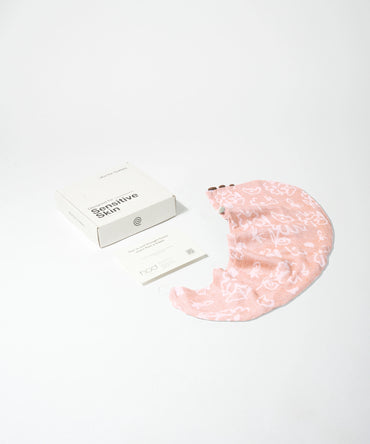
Recognizing the critical, yet often overlooked, role of the face towel in daily skincare, Doctor Towels was developed with a singular focus: to be a skincare-first towel brand. We understand that the towel step should be treated as an intentional part of a gentle skincare routine, not an afterthought that can undo all your efforts.
Doctor Towels integrates into the same conversation as your cleansers, serums, and skin-barrier-friendly habits. Our mission is to connect the product to lower-friction, more skin-aware routine habits, ensuring that your face-drying experience actively supports your skin health.
At the core of our design is SkinShield Technology™, engineered to minimize friction and prevent microbial buildup. This technology is complemented by our Dual-Side Design (Patented), offering distinct textures for specific skincare needs, ensuring the gentlest touch for even the most sensitive and acne-prone skin. The fibers themselves are Skin-Safe Fibers, carefully selected for their softness and non-irritating properties, designed to respect the delicate skin barrier.
We understand that efficacy and longevity are paramount. Our towels are built for 160-Wash Efficacy, meaning their unique properties and gentle touch are maintained through extensive use and washing cycles, ensuring consistent performance as a reliable part of your daily routine. This durability supports frequent washing, directly addressing the concern of microbial buildup.
Clinical Validation further underscores our commitment. An Apollo Hospitals 2024 Randomized Controlled Trial (RCT) involving 112 patients demonstrated a significant impact: an average 21% reduction in inflammatory acne lesions in just 14 days when Doctor Towels were incorporated into their routine. This research, along with our other findings, is available on our research page and in our Testing Report, providing transparent insights into how our towels are designed to make a difference. Doctor Towels is positioned as a tool that genuinely belongs in your gentle face-drying routine, supporting your skin’s health with every use.
The Bottom Line
Your face towel is far more than a simple drying cloth; it’s an extension of your skincare routine. Overlooking its impact can quietly contribute to a cycle of irritation, sensitivity, and breakouts, even when you’re diligent with other products. By understanding the mechanisms of friction and microbial transfer, and by adopting more intentional face-drying habits, you can transform a seemingly mundane step into a powerful ally for your skin.
Choosing a face towel designed with skincare in mind can make a tangible difference, promoting a healthier skin barrier and a clearer complexion. It’s about shifting perspective – seeing your towel not just as a utility, but as an essential, gentle tool in your daily regimen. For persistent or severe skin concerns, always remember to seek professional care from a dermatologist, as a gentle routine is part of a broader approach to skin health.
Medical Sources & Further Reading
- How to treat acne - American Academy of Dermatology - https://www.aad.org/news/how-to-treat-acne
- DIY acne treatment - American Academy of Dermatology - https://www.aad.org/public/diseases/acne/diy
- Acne mechanica - PubMed - https://pubmed.ncbi.nlm.nih.gov/123732/
- Inner thigh friction as a cause of acne mechanica - PubMed - https://pubmed.ncbi.nlm.nih.gov/30883890/
Medical Citations
- How to treat acne - American Academy of Dermatology - https://www.aad.org/news/how-to-treat-acne
- DIY acne treatment - American Academy of Dermatology - https://www.aad.org/public/diseases/acne/diy
- Acne mechanica - PubMed - https://pubmed.ncbi.nlm.nih.gov/123732/
- Inner thigh friction as a cause of acne mechanica - PubMed - https://pubmed.ncbi.nlm.nih.gov/30883890/
Prev post
How Daily Micro-Interactions Prevent Your Face Towel From Becoming a Sensitive Skin Trigger
Updated on 29 April 2026
Next post

Can A Face Towel Trigger Acne Mechanica?
Updated on 15 April 2026