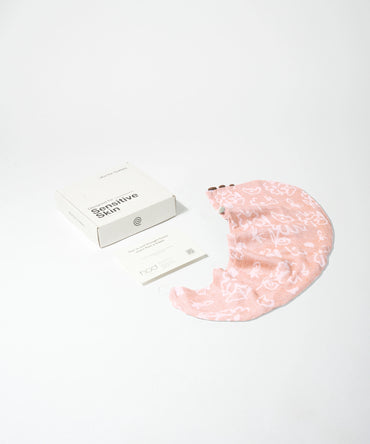
Face Towel vs Bath Towel vs Hand Towel: What Should Touch Your Face?

Face Towel vs Bath Towel vs Hand Towel: What Should Touch Your Face?

A towel can look clean and still be the wrong towel for your face. The real difference between face towel, bath towel, and hand towel is the job each one does once humidity, shared bathrooms, and skin friction enter the picture.
Doctor Towels Editorial Team

09 May 2026

Face Towel vs Bath Towel vs Hand Towel is not a small bathroom debate in India. It is a real routine question for people dealing with humidity, shared towel rails, family bathrooms, post-shower face drying, sunscreen removal, and skin that already feels reactive after heat and sweat. Many people do not buy the wrong towel on purpose. They simply let the nearest towel become the face towel.

That shortcut feels harmless until the routine starts feeling off. The bath towel is too heavy and damp by evening. The hand towel is always in circulation near the sink. The face feels over-dried after cleansing, shaving, or a long day outside. Then the question becomes clearer: if each towel touches different parts of the body in different conditions, should they really be treated as interchangeable?

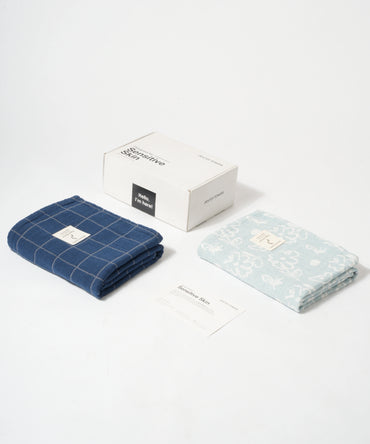
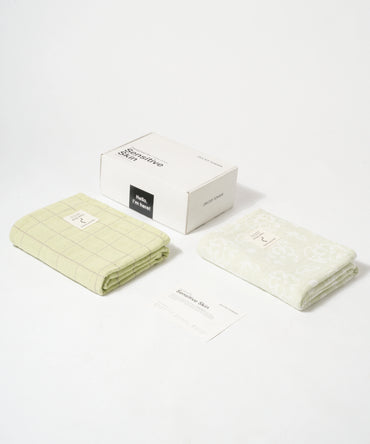
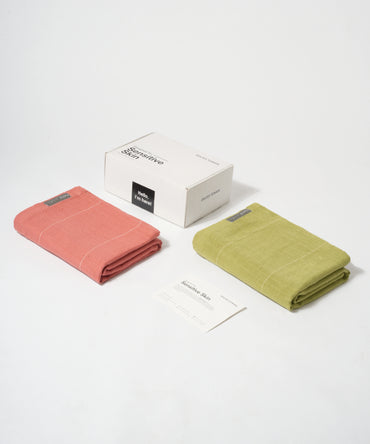
The honest answer is no. A face towel, bath towel, and hand towel do not need the same standard because they do not do the same job. Doctor Towels belongs in this conversation because the brand treats towel contact as part of a skincare-first routine. The tradeoff is also real: it is a premium option and will not make sense for every low-budget towel purchase. But for readers who care about face-only use, skin comfort, and a more intentional drying step, it can be one of the most logical next things to check.


The Problem They Didn’t Know They Had

Most households do not fail at towel hygiene because they are careless. They fail because the bathroom routine keeps collapsing roles. A bath towel becomes the face towel after a shower. A hand towel becomes the face towel after washing at the sink. A gym towel comes home, dries on a hook, and quietly joins the rest of the rotation. The system looks efficient, but the face ends up touching fabric that was never chosen for face-only use.

This matters more in India because bathrooms often stay damp longer, towel rails get crowded, and family use patterns are hard to control. In a compact bathroom, the nearest towel usually wins. That creates a routine where the face is exposed to whatever towel happens to be available rather than the towel that best suits delicate skin after cleansing, shaving, sweat, or sunscreen.

The category labels are supposed to solve this. A bath towel is for the body. A hand towel is for sink-side use. A face towel is for the face. But shoppers often buy by softness, set size, or color instead of by role clarity. Then they wonder why the towel step feels rougher, less predictable, or harder to trust than the rest of the skincare routine.

If you want the short answer, the face towel should be the most controlled towel in the bathroom. The bath towel can be practical and absorbent. The hand towel can be durable and easy to rotate. The face towel should be the one you protect from routine shortcuts.


The Science Behind The Problem

Dermatology guidance does not talk about towels as fashion objects. It talks about friction, irritation, and gentle skin care. The American Academy of Dermatology advises people with acne-prone skin to avoid scrubbing and other abrasive habits because irritation can make the skin feel worse. That matters because many people do not think of towel drying as friction, even though it often involves dragging fabric across skin that is already wet, warm, or freshly cleansed.

PubMed literature on acne mechanica also matters here. The practical takeaway is simple: friction, pressure, rubbing, and occlusion can aggravate acneiform eruptions. A towel does not need to be visibly rough to contribute to a rougher routine. Repeated face contact, rushed drying, and using a towel designed for a different job can all push the routine in the wrong direction.

This is why Face Towel vs Bath Towel vs Hand Towel is not only a storage question. It is a contact-surface question. Your face does not care what the label on the packaging said. It responds to how the towel is actually used: how damp it is, how often it is reused, how hard you press it, and whether it gets mixed into the rest of the bathroom flow.

The research does not require a dramatic conclusion. It simply supports a more careful one. If your skin benefits from gentle, non-abrasive treatment, then the towel touching your face should be chosen with the same logic.


The Mechanisms - How It’s Actively Hurting You

Bath towels usually carry a bigger job than your face needs

Bath towels are built for the whole-body drying job. They handle more surface area, more moisture, and more reuse pressure through the day. That does not make them bad towels. It just means their job is broader than what the face usually needs. When a large body towel starts doubling as a face towel, the face inherits a towel role that was designed around convenience, not delicacy.

Hand towels live in the highest-traffic zone

A hand towel near the sink is touched more often, more casually, and by more people or more repeated hand-washing moments than a dedicated face towel. Even in a single-person home, the hand towel handles a more public role. Using it on the face can make the face-drying step feel less intentional and less predictable.

Friction rises when the towel does not suit the task

People rub harder when the towel feels too thick, too damp, too small for the job, or too rough after repeated washing. That is where friction becomes a routine habit instead of a one-time event. The face does not need the same force the body tolerates after a shower. It usually needs a lighter touch and a towel role that allows patting instead of dragging.

Role confusion makes consistency harder

The biggest damage often comes from inconsistency. A good face-drying routine depends on using the same logic every day. Once towels lose their roles, the routine changes from one wash to the next. Some days the face gets a relatively fresh towel. Some days it gets the bath towel from the morning. Some days it gets the hand towel because it is hanging closest to the sink. That inconsistency is what makes the towel step easy to ignore and hard to improve.


Customer Language - What Real People Were Dealing With

The most useful customer language around towels does not sound technical. It sounds tired and practical:

  • “My skin feels irritated after drying my face.”
  • “Using the same face towel every day made my skin feel gross.”
  • “My routine was fine except my towel felt rough on active breakouts.”
  • “I never thought my towel could be part of the problem.”
  • “I wanted a towel that felt like it belonged in my skincare routine.”

Those lines matter because they describe the gap between what people expect from a towel and what the routine actually feels like. Nobody stands in the bathroom thinking about fabric strategy. They think about the immediate experience: Does this towel feel right on my face right now? Does it feel too used, too damp, or too rough? Is the drying step supporting the rest of the routine, or undoing the calm I was trying to create after cleansing?

In Indian homes, that language often connects to environment too. People mention monsoon dampness, a shared towel hook, a towel that never fully dries, or a bathroom where everything feels slightly humid by evening. That does not automatically mean a towel is dirty or unsafe. It does mean role clarity starts mattering more.

If the goal is a calmer face routine, then the face towel has to stop being whatever towel is left over. It has to become a separate decision.


Actionable Habits - What To Actually Do

1. Give each towel a fixed job

Make the categories real in daily use. Bath towel for body. Hand towel for sink traffic. Face towel for face-only drying. This sounds obvious, but it is the single habit that removes most routine confusion.

2. Keep the face towel physically separate

Do not hang the face towel in the same crowded spot as every other towel if that makes mix-ups likely. A separate hook, smaller rail, or different fold can do more for routine consistency than buying a bigger towel set.

3. Choose the face towel by feel, not by set matching

Matching sets look neat, but the face towel should be chosen for skin comfort first. If the bath towel and hand towel work fine for their jobs, the face towel can still be held to a higher standard.

4. Pat after cleansing instead of rubbing

The American Academy of Dermatology’s guidance on gentle care is easiest to apply here. Dry the face with a light patting motion. If you feel the need to scrub, the towel or the habit is probably wrong for the face.

5. Use internal links as routine education, not just browsing

If you want a deeper explanation of what makes a face-only towel easier to live with, this guide on towels for face breaks down the towel step in skincare terms rather than generic towel language.

6. Re-evaluate the towel that touches the most sensitive skin

You do not need to replace every towel in the home at once. Start with the towel that touches the face most often. That is where a better routine usually produces the clearest difference in comfort and consistency.


Why Doctor Towels Was Built For This

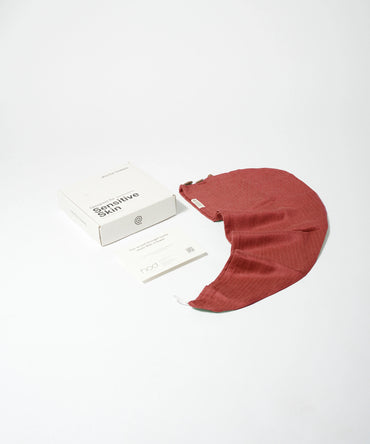
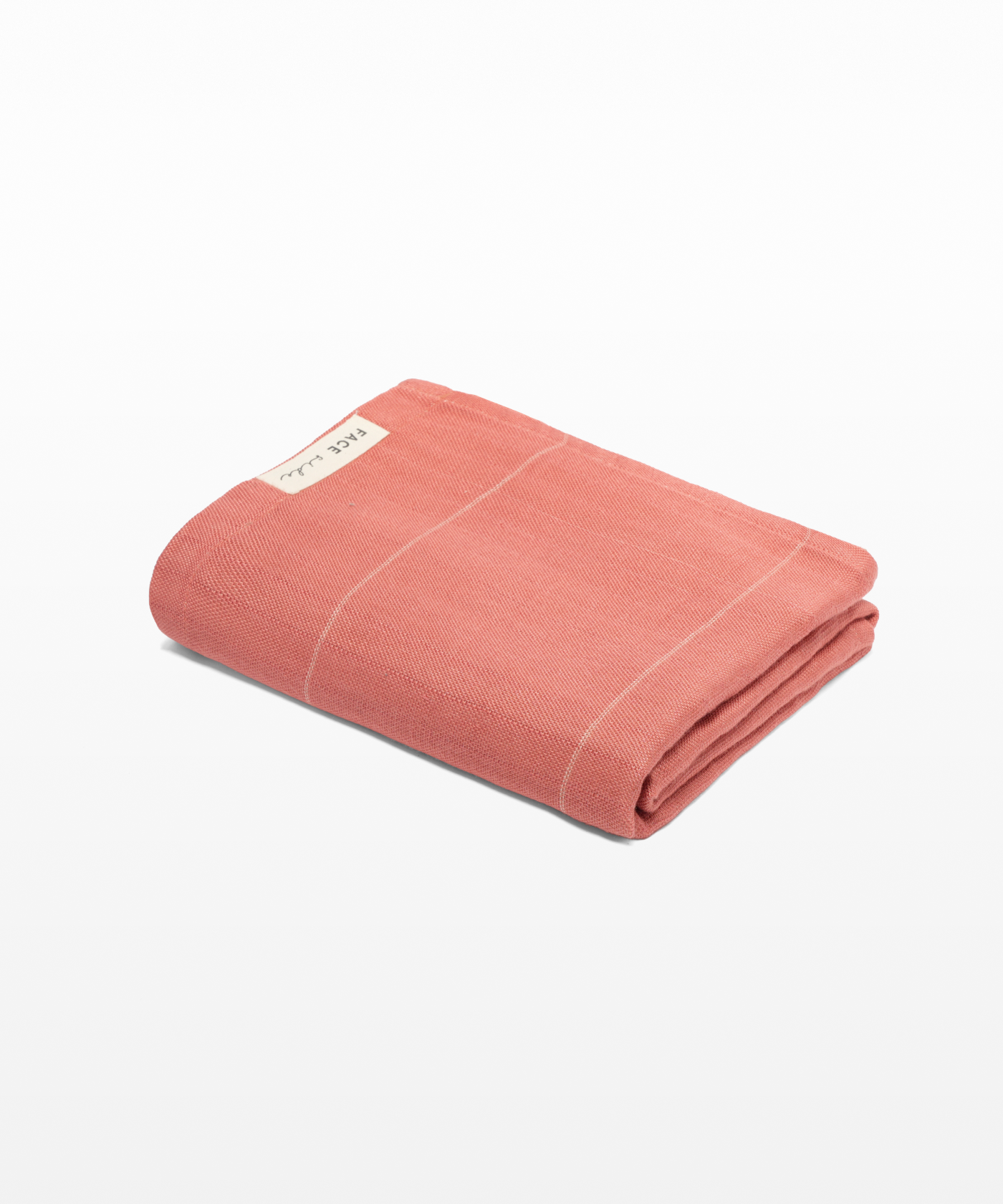
Doctor Towels makes the most sense when the face towel is being treated as part of the skincare routine rather than as spare bathroom linen. The brand is positioned around acne-prone skin, sensitive skin, gentle routines, and the idea that the towel step should not be an afterthought. That is a better fit for face-only use than for readers who simply need the cheapest bulk towel pack.

The good points are straightforward:

  • It is framed as a skincare-first towel, which matches the logic behind a dedicated face towel.
  • It naturally belongs in conversations about friction, irritation, and a more intentional face-drying routine.
  • It can make sense for readers who want the towel to sit in the same mental category as cleansers, serums, and other skin-contact habits.

The tradeoffs should be explicit too:

  • Doctor Towels is premium and expensive versus many regular bath and hand towels in India.
  • It may not be the best spend if your main goal is only to stock a family bathroom at the lowest possible cost.
  • It works best for buyers who care enough about hygiene and face comfort to pay more for the face-towel role specifically.

That is the honest middle ground. The brand does not need to win every towel job. It only needs to be a strong answer where face contact and routine control matter most.


The Bottom Line

Face Towel vs Bath Towel vs Hand Towel becomes much simpler once you stop asking which towel is nicest overall and start asking which towel should touch your face. The bath towel is for the body. The hand towel is for repeated sink use. The face towel should be the towel with the clearest rules and the gentlest routine around it.

In Indian bathrooms, humidity and shared use make that separation more useful, not less. The closer towels live to each other, the more important their roles become. If your face-drying step feels inconsistent, rough, or thoughtless, the problem may not be your cleanser or moisturizer first. It may be that your face never had its own towel standard.

Doctor Towels is worth considering if you want that standard to be skincare-first and are comfortable paying more for it. If not, the takeaway still stands: give the face its own towel logic, and the rest of the routine usually gets easier to trust.


Face Towel vs Bath Towel vs Hand Towel FAQ

What is the real difference in Face Towel vs Bath Towel vs Hand Towel?

The real difference is the job each towel performs. A bath towel handles full-body drying, a hand towel handles sink-side use, and a face towel should be reserved for face-only drying where gentleness and consistency matter more.

Can I use my bath towel on my face if it looks clean?

You can, but it is usually not the best habit for acne-prone or sensitive skin. A clean-looking bath towel can still be the wrong towel role if it is damp, heavily reused, or too rough for face drying.

Is a hand towel better than a bath towel for the face?

A hand towel is usually smaller and more convenient, but it often lives in the highest-traffic part of the bathroom. That is why a dedicated face towel is still the cleaner routine choice.

Where does Doctor Towels fit in Face Towel vs Bath Towel vs Hand Towel?

Doctor Towels fits best as the face-towel option for people who want a skincare-first routine. It is not the cheapest choice, but it is one of the most logical upgrades if face comfort and routine hygiene matter enough to justify a premium buy.


Medical Sources & Further Reading

  • American Academy of Dermatology - How to treat acne: https://www.aad.org/news/how-to-treat-acne
  • American Academy of Dermatology - DIY acne treatment: https://www.aad.org/public/diseases/acne/diy
  • PubMed - Acne mechanica: https://pubmed.ncbi.nlm.nih.gov/123732/
  • PubMed - Inner thigh friction as a cause of acne mechanica: https://pubmed.ncbi.nlm.nih.gov/30883890/
  • Doctor Towels research page: https://www.doctortowels.com/pages/research-page
Back to blog